October 04, 2026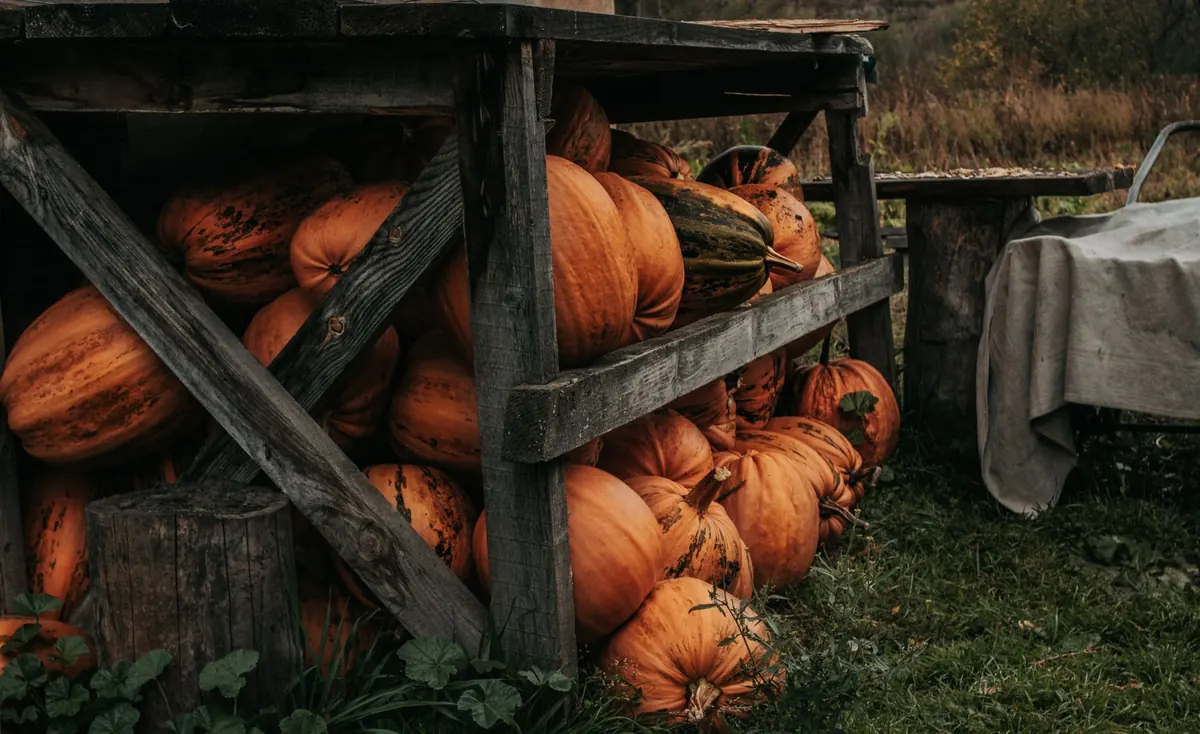
A root cellar is the obvious place to keep a winter's worth of butternut, acorn, and Hubbard. Most of us don't have one. What we do have is a garage that swings from 70°F in October to 25°F in January, a basement with one damp corner, and a closet nobody opens. Winter squash is forgiving enough to work with all three, as long as you give it cool, dry, dark, moving air and look in on it now and then. Here are five cool-room setups that carry squash through winter in ordinary houses, plus the handling habits that decide whether the pile lasts until March or turns soft by Thanksgiving.
Cure First, or Nothing Else Matters
Skip curing and nothing else you do will matter. Winter squash needs a stretch of warmth right after harvest so the skin hardens and the stem end seals over. Ten days to two weeks at roughly 80–85°F, with plenty of air moving around the fruit, is the usual target for hard-shelled types like butternut, Hubbard, and kabocha. A sunny porch, a greenhouse, a shed with the doors propped open, or a corner near a wood stove all work. Keep the fruit from touching and turn it once halfway through.
Delicata and other thin-skinned squash don't want this treatment and don't need it. They cure quickly and store short no matter what you do, so plan to eat them first.
Store only sound fruit. A bruise, a nick, or a soft spot is an open door for rot, and one rotting squash will take its neighbors with it. Leave an inch or two of stem attached, and never carry a squash by that stem.
What Winter Squash Actually Wants
Before you pick a spot, know the target:
- Temperature: about 50–55°F. Steady matters more than perfect.
- Humidity: 50–70%. Damp air grows mold; bone-dry air shrivels the fruit.
- Darkness: light doesn't hurt the squash directly, but it draws you in to move things around, and it usually comes with warmth.
- Air movement: a little, not a draft. Stagnant air collects moisture against the skins.
- Space: a single layer, nothing touching, ideally in slatted crates.
A room that holds 60–65°F still works. You'll get weeks instead of months, so check more often and cook accordingly. Below about 50°F, squash suffers chill injury: the flesh goes watery and bland and the fruit breaks down early. Actual freezing ruins it outright.
Five Cool-Room Setups That Work
1. The garage corner
Pick the corner farthest from the overhead door and away from the wall shared with the house. Get crates up on pallets or a couple of two-by-fours: a concrete slab pulls heat out overnight and stays cold after the air warms, which is exactly what you don't want under a squash. Slatted crates or slatted shelves let air move beneath the fruit. Hang a min/max thermometer at squash height and read it once a week. When a hard freeze is forecast, either carry the crates inside for a few days or drape an old blanket over them at night and pull it off in the morning.
2. An insulated buffer box
For garages and porches that swing hard, build a box. A sturdy cardboard box or an old cooler lined with straw, dry leaves, or crumpled newspaper, with squash in a single layer and packing material tucked loosely around each one, slows temperature changes enough that a cold night doesn't reach the fruit. Leave a few ventilation holes, prop a cooler lid open a finger's width, and check for condensation. Damp insulation is worse than cool air. This setup buys a week or two of grace on either side of a weather swing.
3. A basement shelf
Basements usually run warm and damp, but most have one corner that stays cooler, often against a north or east exterior wall and far from the furnace or water heater. Put up a simple slatted shelf, keep crates a few inches off the floor and a foot off the wall, and run a small fan on low if the air sits still. If the space smells musty or the walls sweat, run a dehumidifier and aim for 60% or below. Squash in a damp basement molds at the stem first, so check there every time.
4. A cold closet or spare room
An unheated spare bedroom, a closet on an exterior wall, or a pantry that stays shut can be the most stable spot in the house. It won't be as cold as a cellar, but stability beats hitting 50°F exactly. Use the closet nobody opens daily, set crates on the floor in a single layer, and keep the door closed. Leave a thermometer and hygrometer inside for a week before you commit a whole harvest to it. If it reads above 65°F, treat it as short-term storage.
5. The mudroom, stairwell, or unheated porch
Odd transitional spaces often sit in the mid-50s all winter without any help: a mudroom, an enclosed porch, the landing at the bottom of the basement stairs, the dead space under a staircase. They're also the easiest places to trip over a squash, so use a crate instead of a pile, keep it out of foot traffic, and don't set it where a door will knock into it. Watch for freezing on the coldest nights, and expect these spots to be good for a month or two rather than all winter.
Handling and Rotation: Small Habits, Long Storage
- Don't wash squash before storing. Wipe off mud with a barely damp cloth and let the skin dry completely.
- Carry with two hands, never by the stem.
- One layer deep, nothing touching. Rot spreads by contact.
- Sort by keeping quality and eat the short-timers first: delicata and acorn, then butternut, then kabocha and Hubbard.
- Check every two weeks. Pull anything with a soft spot right away and use it in the kitchen or send it to the compost.
- Rotate the older fruit to the front and chalk the harvest date on the crate so you aren't guessing in February.
When the Room Won't Cooperate
If your only space runs 65–70°F, you can still store squash, just not for months. Expect four to eight weeks, check weekly, and cook anything that starts to soften. Warm storage also costs you sweetness, and the flesh turns stringy before it turns bad. When a squash does start to go, cut well past the damaged area and use the rest promptly; if it smells off or the flesh is slimy, throw it out rather than taste-testing your way through it.
If you plan to preserve squash by canning instead of storing it fresh, follow tested processing times for low-acid vegetables rather than improvising — home-canned squash puree is not a place to guess. Freezing is the simpler route: roast, mash, and pack the puree flat in bags, or blanch cubes for soups and stews.
A box of squash in a garage corner won't match a root cellar. It will, with a thermometer on the wall and a little shuffling when the forecast turns, get you through most of the winter with something to roast on a Tuesday in January.
Photo: Yuliya Kazantseva / Pexels