September 12, 2026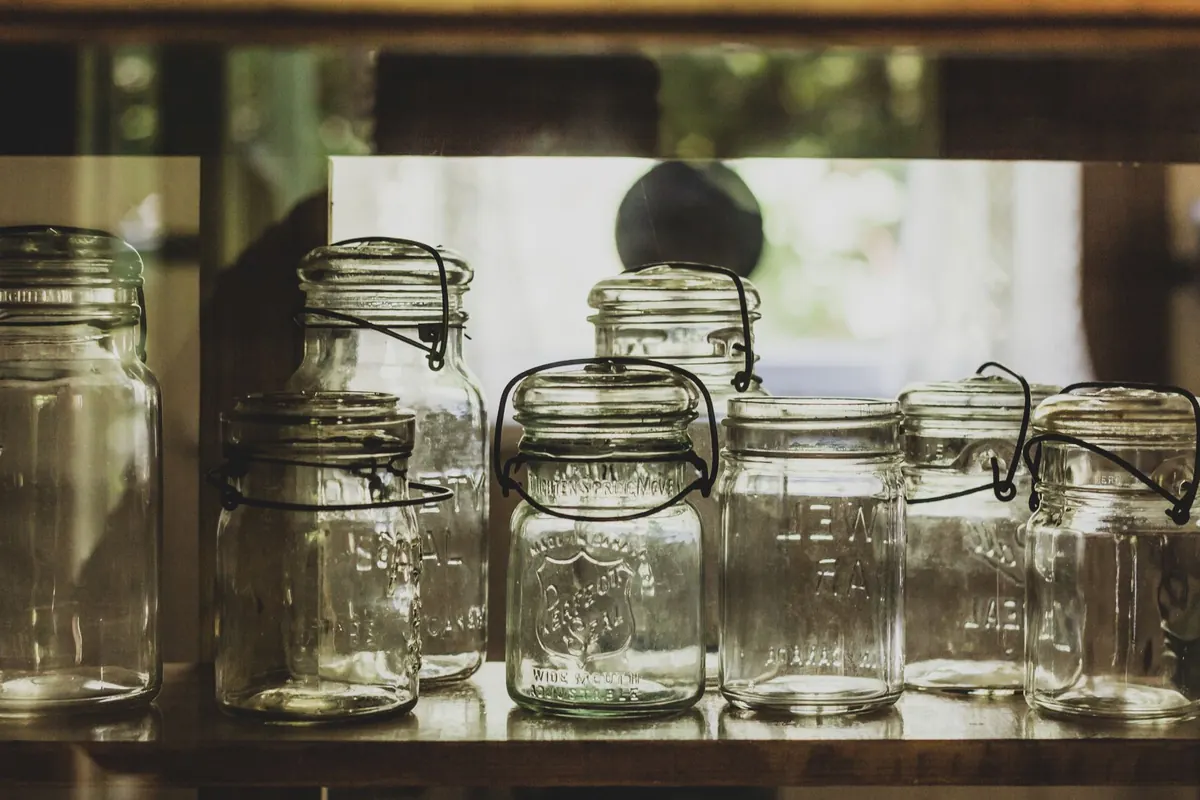
Most canning mistakes trace back to one decision made before the jars ever touch the water. Pick the wrong method and you can spend a whole afternoon filling shelves with food that looks fine, smells fine, and is not safe to eat. The choice isn't about tradition or which pot you happen to own. It comes down to one measurable thing: acidity.
Why Acidity Decides the Method
Every tested canning recipe is built around the pH of the food, and the line sits at 4.6. Below that, a food is acidic enough to hold back the bacterium behind botulism, along with the molds and yeasts that spoil jars. Above it, you're working with a low-acid food, and a sealed jar with no oxygen is exactly the environment that organism likes.
Water boils at 212°F (100°C) at sea level. That's enough to kill spoilage organisms and inactive many bacteria in acidic food, but it will not destroy botulinum spores. Those spores survive boiling and can germinate later inside a low-acid jar. Killing them takes 240°F (116°C), and the only way to get water that hot in a home kitchen is to put it under pressure.
The rule is short: high acid, water bath. Low acid, pressure canner. Everything else is detail.
What a Water Bath Canner Does Well
A water bath canner is a large pot with a rack and a lid. Jars sit on the rack under one to two inches of water, and you start counting processing time only after the water has returned to a rolling boil. It's inexpensive, it holds a lot of jars, and it handles a long list of foods:
- Jams, jellies, preserves, marmalades and fruit butters
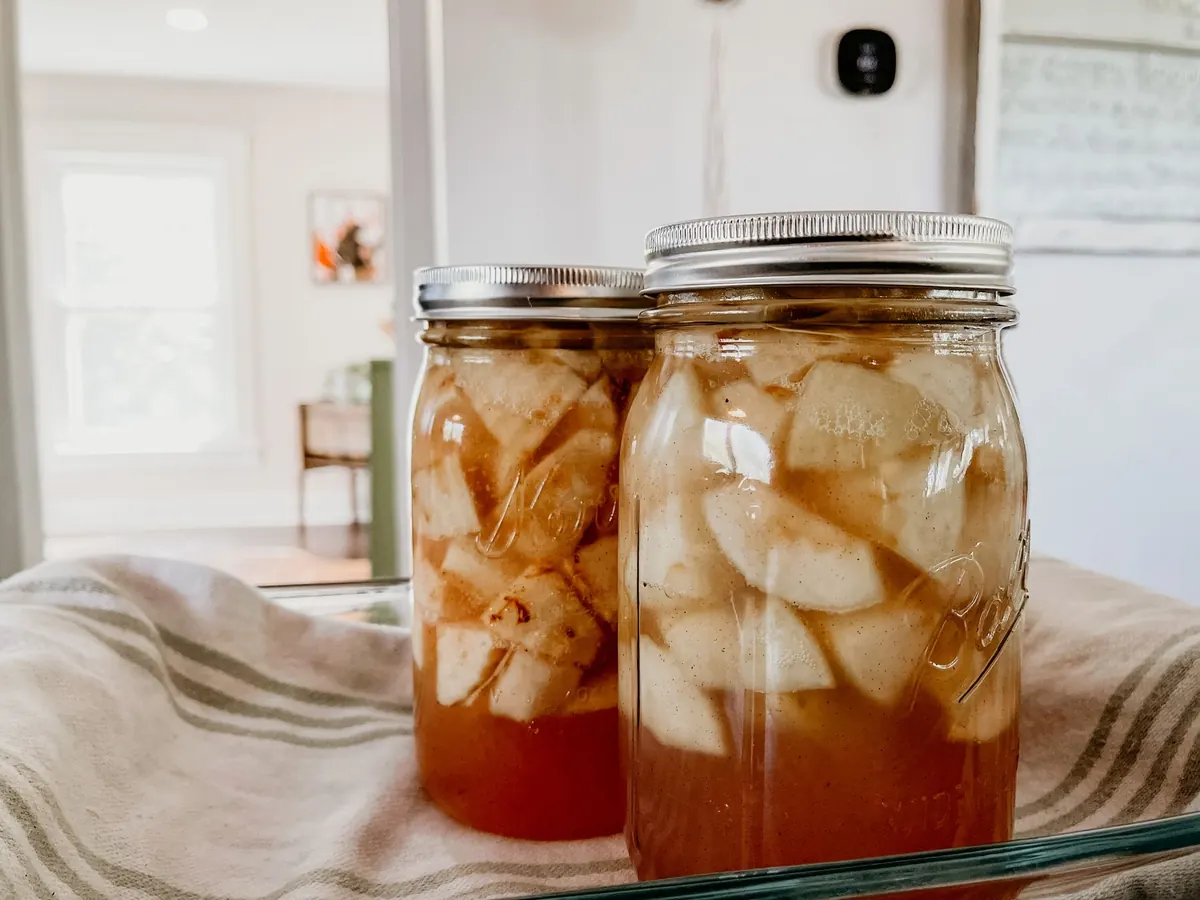
- Whole, halved, crushed or sauced fruits, including applesauce and most fruit pie fillings
- Pickles and relishes made with vinegar
- Chutneys, ketchups and most vinegar-based sauces
- Tomatoes and tomato products with added acid — bottled lemon juice or citric acid — because tomatoes sit close to the pH line and vary by variety and ripeness
- Salsas and mixed recipes only from a tested source, since onion, pepper and garlic push the pH upward
If you're unsure whether a tomato, fig or Asian pear is acidic enough, don't guess. Use a recipe tested with added acid, or pressure can it instead.
Where the Pressure Canner Is Non-Negotiable
A pressure canner is not just a bigger water bath. It seals, builds pressure, and reaches a temperature boiling cannot match. That extra 28 degrees is the entire point.
Low-acid foods must be pressure canned:
- All vegetables — green beans, corn, carrots, beets, peas, potatoes, peppers
- Meat, poultry and game, raw packed or hot packed
- Fish and seafood
- Stocks, broths and bone broth
- Soups, stews, chili and bean dishes
- Dried beans and other legumes
- Mixed recipes such as meat sauces and pasta dishes
Many of these have no safe water bath version at all. Boiling cannot make green beans or chicken safe, no matter how long you process them. A longer boil turns them to mush and leaves the spores untouched.
Pressure canner, not pressure cooker
This trips up a lot of people. A stovetop pressure cooker — the small, quick-release kind you use for dinner — is not built to be a canner. Most are too small for quart jars and can't hold a steady pressure through a long processing time and a slow cooldown. Look for a canner sized to hold at least four quart jars, with a weighted or dial gauge, and follow the manufacturer's instructions.
Altitude Changes the Numbers, Not the Rules
Water boils at a lower temperature as you climb. At 2,000 feet it boils around 208°F; at 5,000 feet, closer to 203°F. Since a water bath canner depends on boiling water, processing times must be extended at higher elevations. Pressure canners need a higher pressure setting instead, usually an extra pound or two per 2,000 feet.
Your recipe should already include altitude adjustments. If it doesn't, use a chart from a university extension service or a current canning guide. Don't eyeball this one — the gap isn't small enough to absorb.
Small Habits That Decide Whether the Jar Keeps
- Use tested recipes. The USDA, the National Center for Home Food Preservation, land-grant university extensions and current Ball canning books are the sources to trust.
- Measure headspace. About 1/4 inch for jams and jellies, 1/2 inch for fruits and tomatoes, 1 to 1 1/4 inches for low-acid foods.
- Vent the pressure canner. Let steam pour steadily for ten minutes before you close the petcock or add the weight. Trapped air skews pressure and temperature.
- Let pressure drop on its own. Never run cold water over the canner or force the weight off; sudden pressure loss pulls liquid from jars and ruins seals.
- Check seals after 12 to 24 hours. The center of the lid should be down and firm. Remove the bands before storing.
- Deal with failures promptly. A jar that didn't seal should be refrigerated and eaten soon, or emptied, reheated and reprocessed in a clean jar with a new lid.
A Simple Way to Decide
Ask one question: would this food spoil if it sat in a bowl on the counter? Vegetables, meat, stock, soup — pressure can. Fruit, jam, pickles and anything with real vinegar or added acid — water bath.
When a recipe mixes both worlds, like tomato sauce with meat or a soup with tomatoes and beans, it goes in the pressure canner unless a tested source says otherwise. Given the choice, pressure canning is the conservative option: the method kills more, and over-processing a low-acid food is far safer than under-processing it.
Start with one method and one tested recipe you can repeat. Learn how your canner behaves on your stove — how long it takes to come up to pressure, how the gauge reads, where the sweet spot sits. Confidence in canning comes from repetition, not equipment. And if you're preserving for someone who is pregnant, elderly or immunocompromised, or you simply want a second opinion on your process, your local extension office is a free and genuinely useful place to ask.
Photo: Louise Cornelissen / Pexels