September 30, 2026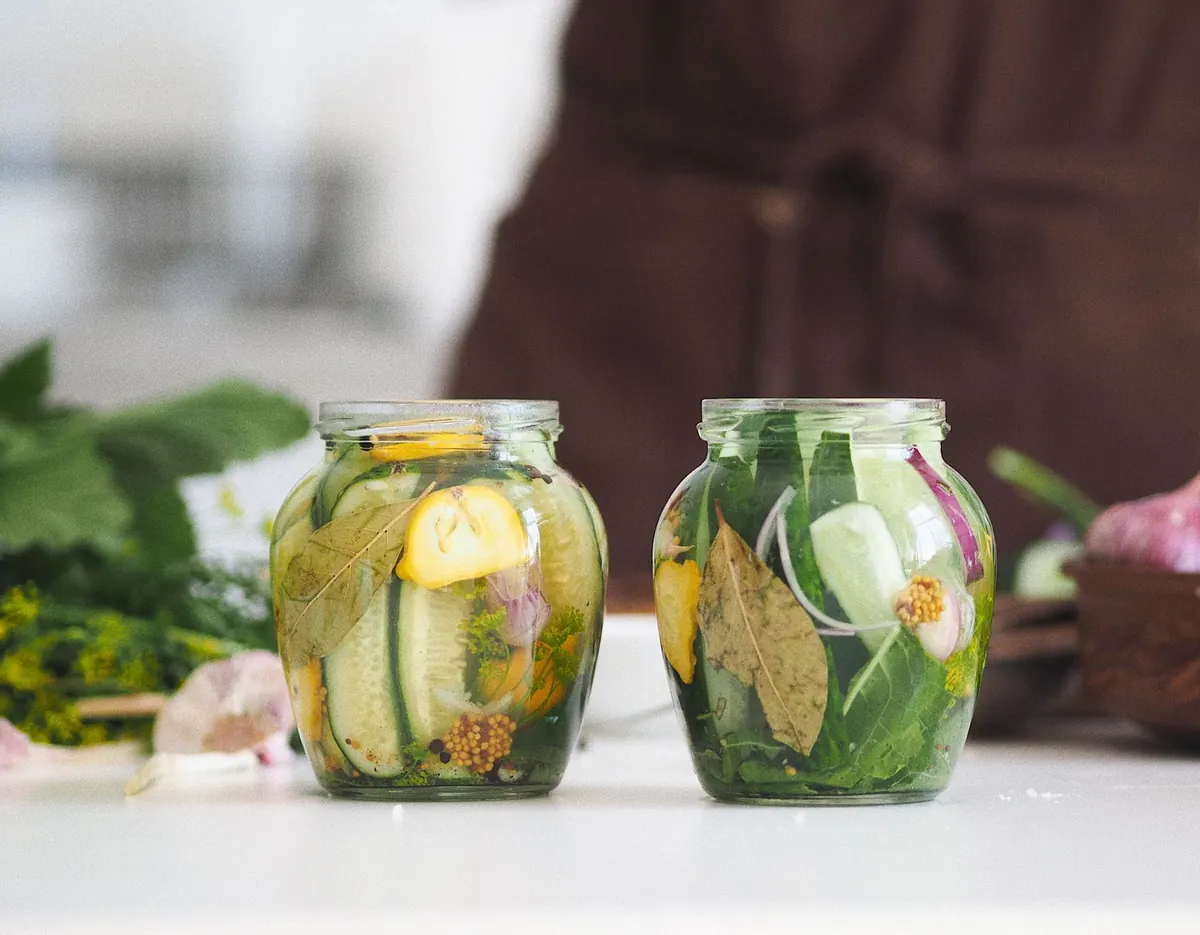
A good pickle should snap. When it doesn't — when the spears bend like wet rope and the brine tastes perfectly fine but the texture is wrong — the problem almost always started hours or days before you sealed the lid.
Soft pickles are rarely the result of one catastrophe. More often it's a small shortcut: a cucumber that sat on the counter overnight, a brine that came up short on salt, or five extra minutes in the water bath. The good news is that every one of these causes is fixable, and most of them cost nothing to correct on your next batch.
Starting With the Wrong Cucumbers
Texture begins in the garden or at the market. Pickling cucumbers — Kirby types, National Pickling, Boston Pickling — have thin skins, dense flesh, and a small seed cavity. That structure is what holds up in brine. Salad cucumbers, including the waxed ones from the grocery store and long English cucumbers, are bred for eating fresh: thick skins, watery flesh, and large seeds that turn to mush.
Freshness matters just as much as variety. Cucumbers lose moisture and firmness quickly once picked. Refrigerate them as soon as you can and pickle them within a day or two, ideally within 24 hours. Skip anything with yellow patches, soft spots, or a swollen, seedy middle — those cucumbers are already halfway to soft, and no brine will bring them back.
The Blossom End Is Not a Detail
This is the mistake that ruins more jars than any other, and it takes ten seconds to prevent. The blossom end — the rounded end opposite the stem — contains enzymes that break down pectin, the glue that holds a cucumber's cell walls together. Leave it on and those enzymes keep working in the jar, softening every pickle in the brine.
Trim about 1/16 inch off the blossom end of each cucumber. If you're making spears, cut both ends off and discard them. You don't need to scrub or peel anything else; just remove that slice. It's a tiny step with an outsized effect on crunch.
Brine Problems: Salt, Additives, and Soft Water
Salt is not just flavor. It draws water out of the cucumber, firms the tissue, and — in fermented pickles — keeps the right bacteria in charge. Cut the salt and you don't get a healthier pickle; you get a soft, slippery one, and sometimes a spoiled batch. If you're watching sodium for medical reasons, choose a tested refrigerator pickle recipe instead of improvising, and talk with your doctor or dietitian before changing a fermented recipe.
What goes into the brine matters too. Avoid:
- Iodized table salt and salts with anti-caking agents, which can darken pickles and leave sediment.
- Salt substitutes that replace sodium with potassium — they don't preserve or firm the same way.
- Softened tap water from an ion-exchange system, which is high in sodium and low in the calcium and magnesium that help keep pickles crisp.
- Diluted vinegar. Use vinegar labeled 5% acidity and don't stretch it with extra water. A weaker brine means less protection and a flabbier pickle.
Pickling salt or plain kosher salt with no additives, plus bottled or unsoftened water, solves most of this. If you can, measure salt by weight rather than volume — it's more consistent from batch to batch.
Cooking the Crunch Out of Them
Heat is the quiet enemy of pectin. Packing cucumbers with boiling brine and then processing them for a long stretch will give you tender, almost cooked pickles. That's fine if you want them that way, but if you want snap, manage the temperature.
Let the brine cool before pouring it over the cucumbers when your recipe allows it. Follow the tested processing time exactly — adding extra minutes "to be safe" doesn't make the jars safer, it makes the pickles softer. Some tested recipes offer a low-temperature pasteurization option: holding jars at 180°F for about 30 minutes, monitored with a thermometer, which preserves texture much better than a rolling boil. Use it only if your recipe includes it, and measure the water temperature rather than guessing.
Refrigerator pickles sidestep the issue entirely. They never see a water bath, and they stay crisp for weeks in the fridge. They're also the best place to start if you're new to pickling.
Skip the Tannins and Calcium at Your Own Risk
Old-time pickle makers knew something worth keeping. Tannins from grape leaves, oak leaves, horseradish leaves, or a pinch of black tea inhibit the enzyme that softens pectin. One clean grape leaf tucked into each jar is enough, and it won't change the flavor.
Calcium chloride, sold as a pickling crispener, works differently: it reinforces the pectin in the cucumber's cell walls. Use it according to the package directions, and don't confuse it with pickling lime, which is a different product requiring a long soak and rinse. An ice-water soak before packing — two to four hours, cucumbers fully submerged — firms the tissue as well and costs you nothing but time.
Fermenting Too Warm and Ignoring the Scum
If you're making fermented dills, temperature decides your texture. Around 68°F to 72°F, fermentation moves at a steady pace and the cucumbers stay firm. Push past 75°F to 80°F and you'll get pickles that are soft, hollow, and slippery, sometimes within a few days. Find the coolest dark corner you have — a basement floor, a closet away from the stove — and check the jars daily.
Skim any scum from the surface and keep the cucumbers fully submerged under the brine with a plate or weight. Mold that develops on exposed pickles can produce the same softening enzymes you worked to avoid. Start tasting around day three or four, and move the jars to the refrigerator once the flavor suits you.
Your Next Batch: A Short Checklist
- Buy or harvest true pickling cucumbers and refrigerate them immediately.
- Trim 1/16 inch off every blossom end.
- Soak in ice water for two to four hours while you make the brine.
- Use additive-free salt, 5% acidity vinegar, and non-softened water, measured to a tested recipe.
- Add a grape leaf or calcium chloride per the label.
- Cool the brine, process for the stated time and no longer, and refrigerate after opening.
Soft pickles are usually a chain of small compromises, not one dramatic failure. Fix one or two of these and you'll notice the difference in the jar. Fix all of them, and you'll hear that snap when you bite down.