September 26, 2026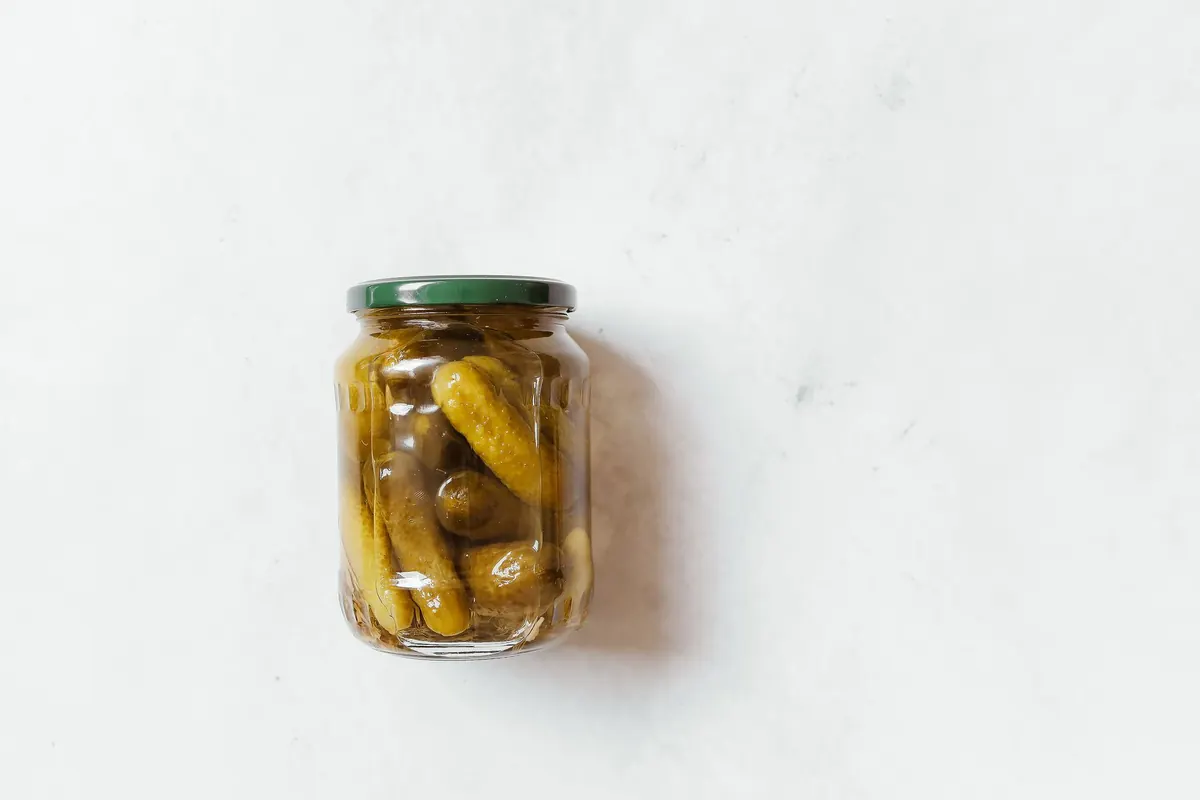
A deli counter and a church potluck have more in common than you might expect: both usually have a jar of pickles within arm's reach. But the spear tucked beside a pastrami sandwich and the thin golden coins sitting next to a bean casserole are not the same creature at all. One is built on salt, garlic, and acid. The other leans on sugar. Knowing exactly where they split — brine ratios, sweetness, crunch, and the jobs each does best — makes it easier to choose, and much easier to make either one at home without guessing.
Two Styles, One Cucumber
Both pickles usually start as the same vegetable: a pickling cucumber, ideally a Kirby or a similar firm, thin-skinned variety with small seed cavities. The difference is everything that happens after harvest.
Kosher dill pickles are seasoned in the deli tradition — heavy on garlic and dill, with plenty of salt and a sharp, sour bite. The word "kosher" here describes the style of seasoning rather than a certification, and the category covers a wide range. Some are fermented in a salt brine and left to sour on their own. Others are packed in a vinegar brine and processed for shelf stability. You will also see half-sours and full-sours, which describe how far the fermentation was allowed to go.
Bread and butter pickles are the sweet-sour side of the family: sliced thin, stained gold with turmeric, and spiced with mustard seed, celery seed, and often onion. The name is usually traced to a thrifty sandwich filling, and that origin makes sense once you taste one. They are less a palate-cleanser than a condiment with real sweetness behind it.
The Brine Ratios That Actually Matter
Strip away the spices and both pickles come down to two variables: salt and acid, with sugar as the wild card. The proportions tell you almost everything about how the finished jar will taste.
A workable starting point for a vinegar-brined kosher dill is one part 5% white vinegar to three parts water, plus roughly 2 tablespoons of pickling salt per quart of liquid, with garlic cloves, dill heads or dill seed, and a pinch of red pepper flakes. For a fermented dill, skip the vinegar entirely and use a brine of about 3 to 5 percent salt by weight — many home recipes land near 1/2 cup of pickling salt per gallon of water. The cucumbers make their own acid.
For bread and butter pickles, the ratio flips. A typical batch for 3 to 4 pounds of sliced cucumbers looks like this:
- 1 1/2 cups white vinegar (5% acidity)
- 1 1/2 cups sugar, or a little less if you like them sharp
- 1 cup water
- 1 to 2 tablespoons pickling salt
- 1 teaspoon turmeric, 2 teaspoons mustard seed, 1 teaspoon celery seed
- 1 large onion, sliced thin
Notice the shape of each formula. Dills are salt-heavy and sugar-free. Bread and butters run roughly equal parts sugar and vinegar, which is exactly what creates that sweet-then-tangy snap. Taste the brine before you pour it. It should be sweeter than a dill brine but still make you squint a little.
Use pickling salt, not table salt. Iodine and anti-caking agents can cloud the brine and soften the pickles, and kosher salt flakes vary enough in size that a tablespoon means different things in different brands. Weighing the salt is the most reliable route if you have a scale.
Sweetness and Flavor, Side by Side
Kosher dill
Salty, sour, aromatic, and savory. Garlic does most of the heavy lifting, with dill adding a green, almost grassy note. A good dill pickle tastes clean and bracing — the kind of thing that resets your palate between bites of a rich sandwich. Because there is no sugar to round off the edges, the acidity reads louder.
Bread and butter
Sweet up front, sour on the finish, with warm spice underneath. Turmeric gives the characteristic yellow color and a faint earthy flavor. Mustard and celery seed do the rest. The risk with this style is going too sweet; if a batch tastes flat or candy-like, add a splash more vinegar rather than more sugar. If it tastes harsh, a spoonful of sugar will soften it.
Crunch: Where These Two Really Split
Both styles can be crisp, and both can go limp. Crunch comes from technique, not from the recipe name.
- Trim the blossom end. Cut about 1/16 inch off the flower end of each cucumber. That end holds enzymes that soften the flesh.
- Soak in ice water or a salt-and-ice slurry. An hour or two draws out water so the slices stay firm when hot brine hits them. Bread and butter recipes often call for this step.
- Add tannins. A grape leaf, a horseradish leaf, or a small pinch of black tea in the jar helps keep pickles snappy.
- Do not boil the cucumbers. Heat the brine, pour it over, and keep the vegetables below a simmer.
- Slice thicker for crunch. Paper-thin bread and butter coins go soft faster than quarter-inch rounds.
- Refrigerate if crunch is the priority. Water-bath processing makes jars shelf-stable but softens the texture slightly.
Best Uses for Each
Reach for kosher dills when you want:
- Deli sandwiches, burgers, and grilled cheese
- Chopped relish for potato salad, tartar sauce, or egg salad
- A garnish for Bloody Marys and picklebacks
- Something to eat straight from the jar without any sweetness getting in the way
Reach for bread and butter pickles when you want:
- Barbecue, hot dogs, and pulled pork sandwiches
- A cheese board or a potluck plate that needs a sweet-sour note
- Diced into deviled eggs, tuna salad, or ham salad
- A topping for burgers when you want sweetness instead of a sour hit
If You're Making a Batch This Weekend
Start with refrigerator pickles, which skip the canning pot and stay crisp for weeks. For dills, pack spears into clean jars with garlic and dill, pour over the hot vinegar brine, cool, and refrigerate for at least three days before eating. For bread and butters, salt-and-ice the slices for two hours, drain well, then pour the sweet brine over them and refrigerate overnight.
If you plan to store jars at room temperature, follow a tested canning recipe and keep the vinegar-to-water ratio exactly as written — that acidity is what keeps the jar safe. When in doubt, refrigerate and eat within a few weeks.
Pick the Jar That Fits the Plate
Neither pickle is better. They solve different problems. A kosher dill cuts through fat and resets your palate; a bread and butter pickle adds sweetness and spice to smoky or bland food. Keep a jar of each in the fridge, label them with the date, and let the meal decide which lid comes off. That is the real advantage of learning both: you stop thinking of "pickles" as one thing and start treating them as two very different tools.
Photo: Polina Tankilevitch / Pexels